42: The Answer to Almost Everything
42 - Die Antwort auf fast alles
About
What would we be without mucus? Can we live on water? How much does life weigh? Finding out the answers is the aim of ARTE's new science show. In a nod to Douglas Adams's "Hitchhiker's Guide to the Galaxy", where the figure 42 is the ultimate answer to all questions, 42 tries to provide the answers.
Seasons
Episodes
Season 1

Can we dig our way through the Earth?
This report explores the challenges and insights gained from deep drilling into the Earth. Researchers from Germany, France, and Italy emphasize the technical complexity and costs of these undertakings. The drill cores, made of rock or ice, serve as archives of Earth's history and enable the study of phenomena such as climate change.
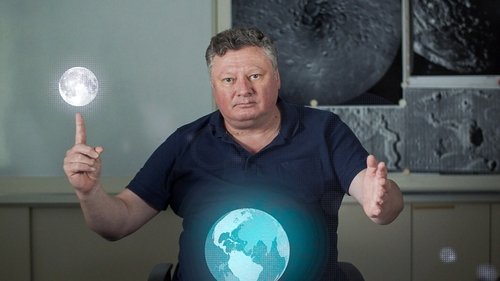
Could We Live on the Moon?
A new lunar cycle begins with 95 planned missions over the next ten years, including contributions from smaller nations. Scientists want to know how humans can carve out a life on the moon. Could humans live there permanently? And who does the moon belong to? Salem Al Marri of the United Arab Emirates Space Agency explains the motivations and goals of this intensified lunar exploration.

Should we use lotteries instead of elections?
The ancient Greeks practiced sortition as a cost-effective method to prevent corruption and abuse of power and to establish political equality. Although this idea resurfaced in the 19th century, modern societies have opted for elections as the means of selecting representatives.

How Much Does Life Weigh?
A research team led by Israeli biologist Ron Milo has attempted to calculate the total mass of all living things on Earth by combining data from various fields of research. The challenges range from accurately estimating the fish population in the ocean to discovering previously unknown species on land.

Will we move onto the water?
Climate change could cause sea levels to rise by up to 20 millimeters per year by the end of the century, threatening island nations and major cities. Urban planner Heiner Haaß and architect Bjarke Ingels propose building on the water, with concepts like Oceanix City or floating structures in the Maldives.

Can Algorithms Make Us Healthy?
Bodily data, from genes to the microbiome, could indicate diseases early if analyzed precisely. Computers and algorithms are needed to recognize patterns. In the US, skin cancer has been detected early using algorithms. The vision is a medical avatar that monitors our bodily data and warns us of health problems.

What if there were no mucus?
Mucus, a versatile substance in nature, fulfills various functions: It can glide, stick, select, and even serve as a protective or defensive weapon. The unique state of matter of mucus enables its diverse applications. Microbiologist Hans-Curt Flemming emphasizes the central role of mucus in the evolution of microorganisms.

How do we solve the nuclear waste puzzle?
Long considered clean and inexpensive, nuclear energy raises a major problem: ultimate radioactive waste. This waste must be buried underground for at least a million years—an eternity! How can we warn our descendants of the risk it represents? What pictograms could alert them to the toxic gift we are leaving them?
Similar Shows
Shows like this one









Recommended for You
Based on this series