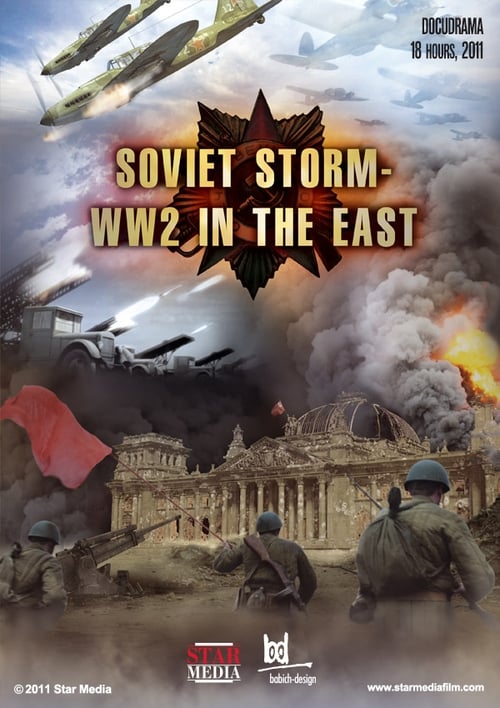
Soviet Storm: WW2 in the East
Великая война
About
The epic television history of the Second World War’s Eastern Front giving an unprecedented Russian perspective on the war’s most decisive and bloody theater.
Seasons
Episodes
Season 1
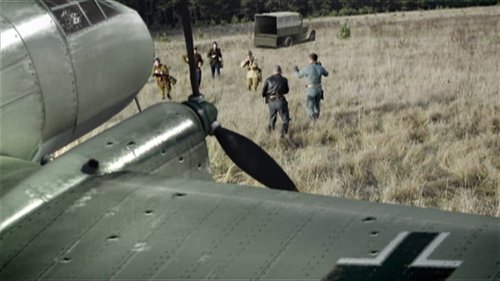
Operation Barbarossa
Archive film, computer-generated imagery and innovative reconstructions tell the Red Army's story of their bloody defeat to Nazi Germany in Kiev in 1941.
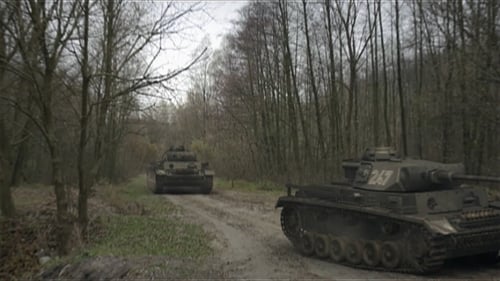
The Battle of Moscow
From the very first days of the war the USSR capitol had been preparing its defense. Institutions and plants, embassies and ministries were evacuated. In order to organize the defense of Moscow and stifle the fascist offensive, Marshal Zhukov was called from Leningrad to Moscow.
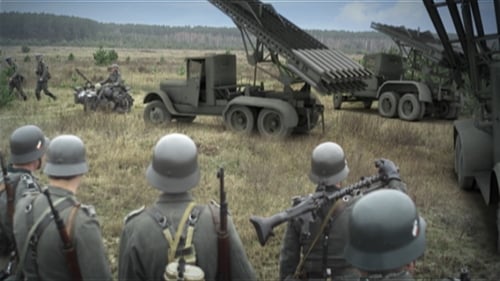
The Siege of Leningrad
The takeover of Leningrad was of strategic importance for the German Command. On the 8th of September 1941 the Germans reached Lake Ladoga and the city turned out to be cut off from the 'mainland'. Death from starvation began to threaten the population of Leningrad. The ships of the Baltic Fleet, anti-aircraft guns, artillery and troops of the Red Army defended the city and the 'life road' that became operable after the frosts. Multiple attempts of the Soviet Command to break though the encirclement failed one after another.

Stalingrad
On the 28th of June 1943 German troops launched Case Blue. They dashed towards Voronezh, Stalingrad, and Rostov-on-Don. The insufficiently embattled south sector of the Soviet-German front was breached. The retreat of the Soviet troops Eastward was going on when a famous order later called “Not a Step Back!” was issued. Special anti-retreat detachments were supposed to stop fleeing military units.
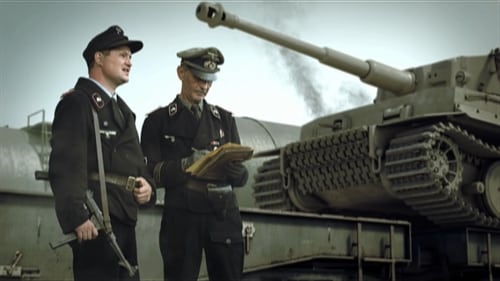
The Battle of Kursk
It was April 1943. The frontline froze, but the Soviet Command was already designing plans for the Summer, paying special attention to the Kursk region. Here the troops of the Central Front had deeply bucked in the German defenses. The Germans planned to cut off the Kursk bulge with a double blow during Operation Citadel. Army Group Center was supposed to attack from the North and troops of Army Group South were to attack from the south.
Operation Bagration
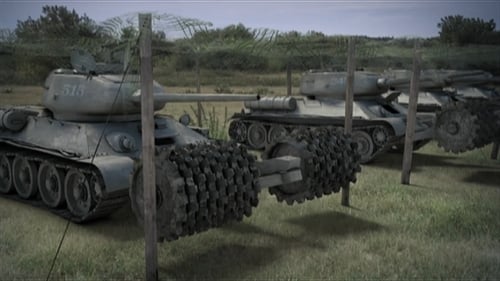
Conditions of Army Group Center in Byelorussia seemed to be stable. Soviet attempts to go on the offensive near Vitebsk and Orsha failed. Waiting for the attacks of the Red Army in Ukraine, the main German forces, primarily tanks and aircraft, were transferred to the southern territories. As a response, the Soviet Command decided to strike the enemy in Byelorussia. Operation Bagration provided for the encirclement and annihilation of the enemy on the Soviet flanks near Vitebsk and Bobruysk and thus intercepting the retreat of the entire German grouping to Minsk.
Battle of Ukraine
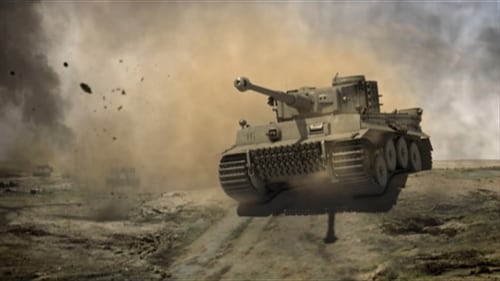
Troops from five fronts began a coordinated offensive from Smolensk to the Sea of Azov on a broad new front 1400 km in length. In an attempt to slow down the advance of the Soviet troops, the German Command blew up bridges over big and small rivers and carried out a scorched earth policy in the occupied territories. General Vatutin, commander of the Voronezh Front, was unsuccessfully trying to break through from the Liutezh and Burkin bridgeheads. The winter was coming and the frontline looked frozen along the Dnepr.

Battle of Berlin
On the 31st of January 1945 the tankers of the 1st Byelorussian Front reached the Oder river near Kostrin and Frankfurt. Berlin, the fascist beast’s lair, was in some 100 km aside. But the Soviet Command took the decision to suspend the attack on the German capital. The units needed resupply and replacement of troops, as well as time to move up the reserves. It was not until Pomerania and Silesia had been cleared of German troops that the Red Army continued its offensive.
Similar Shows
Shows like this one












Recommended for You
Based on this series