About
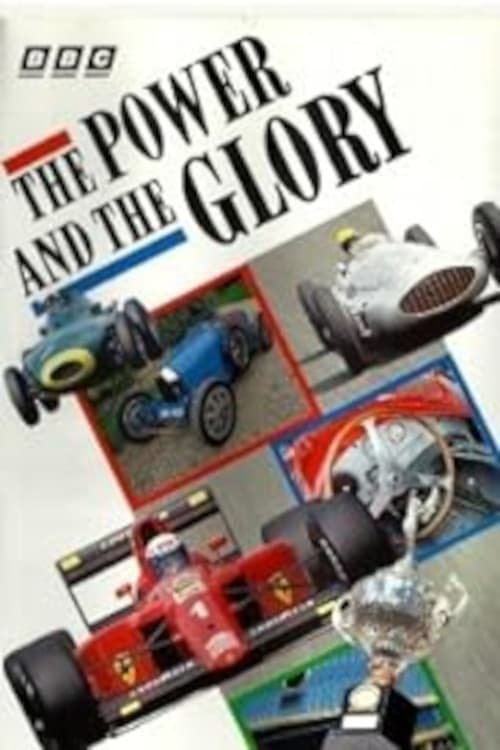
The Power and the Glory was a 13-part television documentary series shown between 4 October and 27 December 1991 on BBC2. The series covers 100 years of motor racing history.
Episodes
The Power and the Glory

The Fastest Men on Earth
The first Grand Prix was won 85 years ago at 73 mph. This year's Indianapolis winner averaged 176 mph.

The Road Racers
Millie Miglia, Targa Florio, Carrera Pan Americana - the names of the great road races have disappeared from the racing calendar, but they still evoke the history of motor racing at its most full-blooded. But as the power and speed of cars rose, so did the death toll of drivers and spectators. The sport was banned in the 1950s. Today's alternatives include racing in the Mexican deserts

The Right Stuff
What makes a champion racing driver? Some of the sport's great names, including Nigel Mansell and Stirling Moss offer an insight into what took them to victory. And at a school for racing drivers, students find out if they have that combination of skill, courage, toughness, and the will to win.

The Pioneers
This is the story of the remarkable men whose daring and skill pushed the top speed of racing cars from around 20 mph to over lOO mph in the pioneering age of the sport.

The Aristocrats
The 20s and early 30s saw the expansion of grand-prix racing and the introduction of technical advances like supercharging and the first single-seaters. The designers produced some of the classic cars of all time - Bentley, Bugatti, Alfa Romeo

Years of Thunder
From zero to 300 mph in six seconds, nose-to-tail racing at 200 mph, ear-splitting exhausts, gigantic crowds - this is motor racing the American way. Both drag racing and stock-car racing started illegally on the streets of America and have become part of the country's popular culture. Today they are multi-million-dollar businesses. The stars of these sports explain how it happened

Racing for the Reich
Hitler knew that victory on the grand prix circuits would demonstrate the Third Reich's technical superiority and bring his new Germany great prestige. So with government subsidies, both Mercedes-Benz and Auto Union set out to build a winning car, and the swastika became a familiar feature on the racetracks of the 30s.

Forests Deep, Mountains High
Rallying began as a genteel amateur sport for those with a sense of adventure - today it is highly competitive, with special cars, large back-up teams and professional drivers.
Similar Shows
Shows like this one




Recommended for You
Based on this series