About
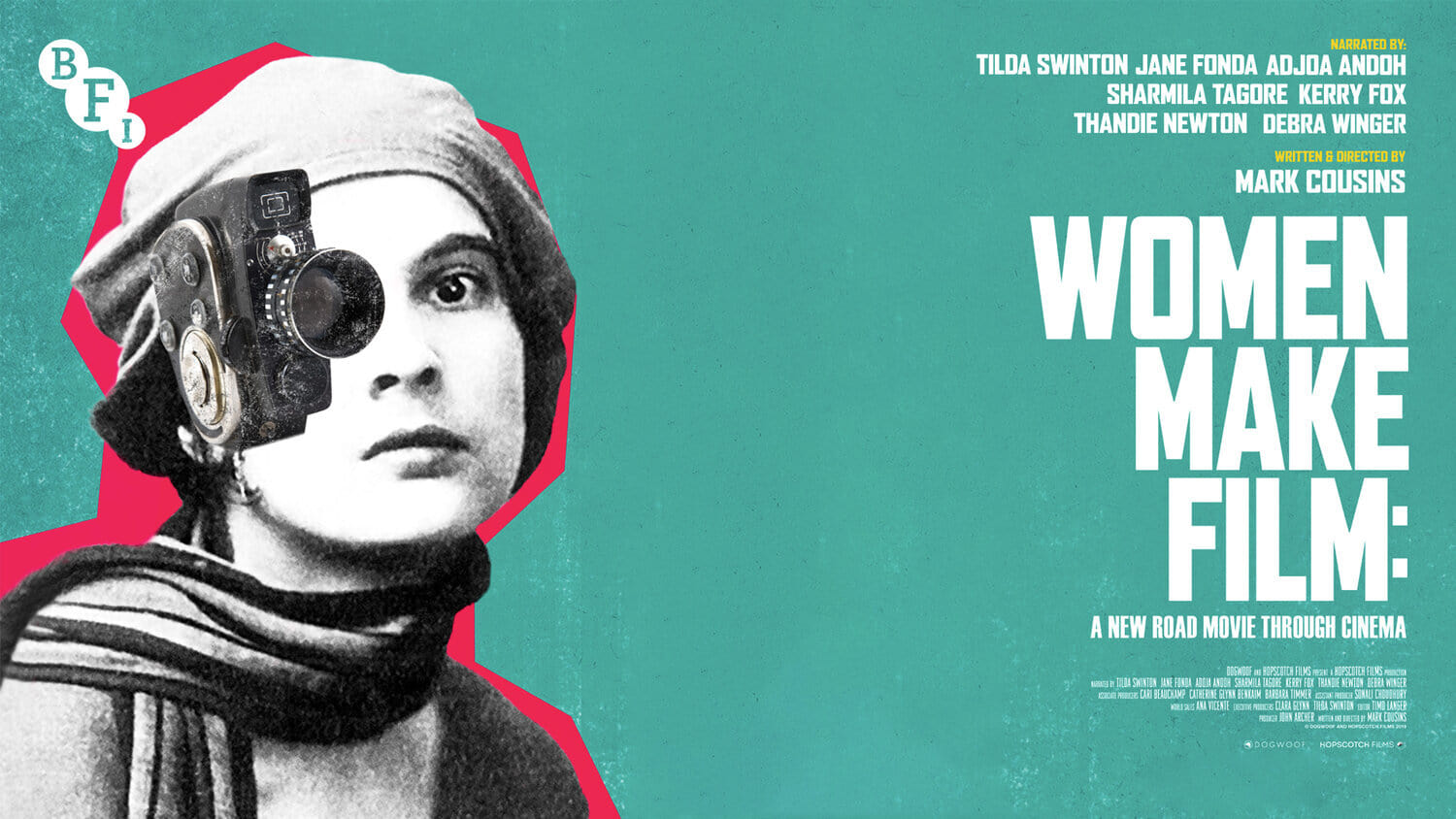
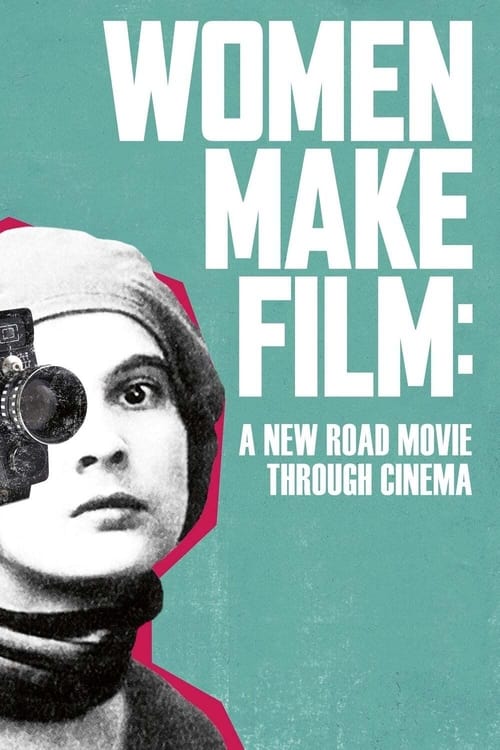
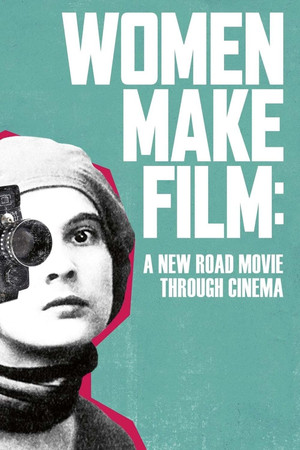
As told through clips from 183 female directors, this epic history of the cinema focuses on women's integral role in the development of film art. Using almost a thousand film extracts from thirteen decades and five continents, Mark Cousins asks how films are made, shot and edited; how stories are shaped and how movies depict life, love, politics, humour and death, all through the compelling lens of some of the world's greatest filmmakers -- all of them women.
Cast
Tilda Swinton
as Narrator (voice)
Adjoa Andoh
as Narrator (voice)
Jane Fonda
as Narrator (voice)
Sharmila Tagore
as Narrator (voice)
Kerry Fox
as Narrator (voice)
Thandiwe Newton
as Narrator (voice)
Debra Winger
as Narrator (voice)
Episodes
Season 1

Openings, Tone
"Openings". With examples from 1943 to 2013, from China to Iran, Australia to Finland, we look at how to open a film: from mysterious, direct, floating, foreboding beginnings to plunging straight in. All are instructive in how to create an immediate world. "Tone". What's the tone of a film—not its story or theme, but what its world feels like? This chapter looks at the myriad ways in which directors set the tones of their films: delight, anger, poetry, double tones, moral seriousness, caring, edginess, and violence.

Believability, Introducing Character, Meet Cute
"Believability". It's easy to spot, but not so easy to understand. Believability is about simple human stories, the truth about life, real emotions, and responding to the world. How do directors create a reality without it feeling fake? True stories can help. But what's the trick? "Introducing Character". Going to a house, overhearing people, witnessing bizarre action -- there are many ways to meet people and be introduced to characters in films. "Meet Cute". The classic Hollywood trope of a "meet cute" invites a variety of interpretations, from intimate glimpses to worlds colliding spectacularly.

Conversation, Framing, Tracking
"Conversation". A basic human interaction -- how to make it cinematic? "Framing". Frames describe and paint the scenes. They shape the cinematic world. "Tracking". Tracking shots are to many an essence of filmmaking magic. They can ask questions and speak when hardly anyone else in the film is talking. Kinetic in nature, tracking can help dynamically show and express a desperate escape.

Staging, Journey, Discovery
"Staging". Scene staging is an element of film form pointing clearly to cinema's origin: theater. "Journey". Movement is key to a motion picture, and journeys in film can be horizontal as well as vertical (into the self). Travel can be like glue and bind characters from two different worlds. "Discovery". Discovery and revelation shape some of cinema's most iconic moments. But beyond the best-known scenes, there lies the humanity, craft, and insight of discovery.

Adult/Child, Economy, Editing
"Adult/Child". Most famous movie genres -- war pictures, westerns, etc. -- are about adults, but in this chapter, Jane Fonda narrates the story of eighteen films about children, from Germany, Belgium, Mongolia, Sweden, Russia, Canada, Senegal, Argentina, and Scotland. "Economy". We've all seen overblown films, but what are the visual and story lessons we can learn from Claire Denis, Maria Louisa Bemberg, Kinuyo Tanaka, Agnès Varda, Valeska Grisebach, and Desiree Akhavan about keeping things simple? "Editing". How have filmmakers like Ava Du Vernay, Kathryn Bigelow, Sarah Maldoror, Leni Riefenstahl, and Drahoméra Vihanová and their editors pushed the techniques of editing to their limits?

POV, Close-up, Dream
"POV". Is cinema the art of point of view? Jocelyn Moorhouse, Ida Lupino, Edith Carlmar, Sofia Coppola, Liliana Cavani, Kelly Reichardt, Larisa Shepitko, Jennifer Kent, and other great directors demonstrate the art of POV. "Close-up". Films from Belgium, Hungary, Australia, Finland, China, the United States, France, Germany and Ukraine, shot over ten decades, show how close-ups create intensity. "Dream". One of the great movie stars, India's Sharmila Tagore, narrates this bold chapter that looks at dreams in films, including Wayne's World, Jane Campion, Sally Potter, and silent movies.

Bodies, Sex
"Bodies". Bodies in cinema can be enticing, athletic, or brutalized. Jane Fonda narrates this chapter about how some of the great directors -- including Agnès Varda, Andrea Arnold, Marva Nabili, Pirjo Honkasalo, Márta Mészáros, and Wanda Jakubowska -- have filmed bodies. "Sex". From bodies to sex -- one of the most controversial aspects of film. In this chapter Diane Kurys, Lucile Hadžihalilović, Jamie Babbit, Safi Faye, Athina Rachel Tsangari, Alison de Vere, Carine Adler, Donna Deitch, Miranda July, Lucía Puenzo, Maren Ade, Chantal Akerman, and others show a variety of ways of showing sex on screen.

Home, Religion, Work
"Home". Refuge, shelter, or prison? Sharmila Tagore narrates the story of home on-screen in the great films of Edith Carlmar, Lynne Ramsay, Mai Zetterling, Liu Jiayin, Forough Farrokhzad, Antonia Bird, and others. "Religion". Narrator Sharmila Tagore takes us on a global tour of great films about religion. We start in the U.S. in the 1910s, go to Sri Lanka in the '70s, and dip into the work of Lucrecia Martel, Jessica Hausner, and Marjane Satrapi. "Work". Work seems too unglamorous for cinema, but as narrator Jane Fonda tells us, in films like American Honey, the silent Russian masterpiece Women of Ryazan, Venezuela's Araya, Patty Jenkins's Monster, and Mary Harron's American Psycho, some of the most engrossing scenes show work.
Similar Shows
Shows like this one







Recommended for You
Based on this series