About
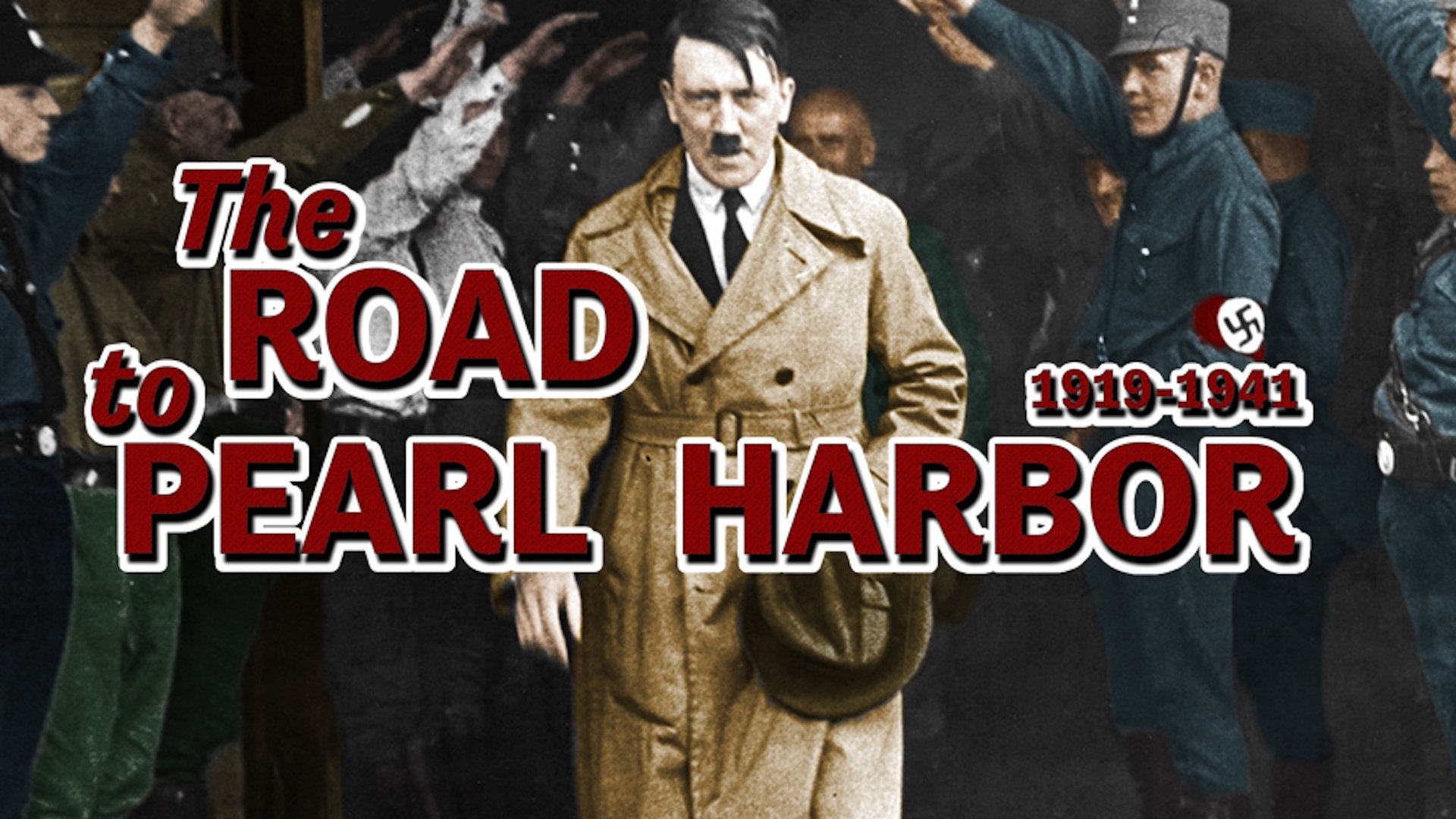
An examination of the events that lead up to the attack on Pearl Harbour.
Seasons
Episodes
Season 1
America in the Pacific: The Clash of Two Cultures
This overview of the U.S. and Japanese relationship, from the urn of the century until 1933, is a story of conflict. Japan emerged from World War I as a major power, but American diplomats made little effort to understand the Oriental mind. Our Japanese foreign policy, including immigration quotas and protective tariffs, does little to improve relations.
Radio, Racism And Foreign Policy
Disillusioned by the horrors of World War I, the U.S. tries to isolate from the rest of the world. Strict immigration quotas are imposed and a mistrust of foreigners and minorities ushers in an ugly of racism and ethnic discrimination. The advent of radio helps to project a standard image of the "good American," but at the same time lets in news of foreign nations.
Latin America: Intervention in Our Own Backyard
FDR's greatest foreign policy success, "The Good Neighbor Policy", was a key development in reversing the U.S. imperialistic attitude toward Latin America. For over a century, the Monroe Doctrine had been invoked to justify intervention in the Caribbean, Central, and South America. Pan-American relationships deteriorated rapidly until 1933, when the policy in intervention was abolished.
Versailles: The Lost Peace
President Wilson's hopes for world peace through collective security clash at Versailles with the harsh old-world politics of Europe, which wanted to punish Germany. The resultant treaty, sows the seeds of World War II. Wilson's mysterious behind-the-scenes adviser, Colonel Edward House, compromise Wilson's ideals. Then, influenza struck Wilson down during a critical period of negotiations.
War Comes to Pearl Harbor
After Japan's invasion of the Dutch Indies, Roosevelt cut off the American oil supply and imposed a total embargo. On November 5, 1941, General Tojo sent 2 peace options to the United States with the ultimatum that if neither alternative was accepted Japan would declare war. The United States rejected both proposals. One morning later, on December 7, 1941, Japan bombed Pearl Harbor.
Return to Isolationism
The President and the Senate fight for control of American foreign policy: the Senate wins. Wilson is opposed by a powerful coalition of conservatives like Senator Henry Cabot Lodge. He then embarks on a grueling 8,000 mile train trip to promote the League of Nations and suffers a stroke. Wilson refuses to compromise on the League of Nations and ironically is responsible for its defeat.
The First Salt Talks
In 1921, the world's first major disarmament conference limits the post war arms race, and the most important strategic weapon of the times, the battleship. General Billy Mitchell demonstrates the strength of air power by bombing obsolete battleships in the Chesapeake Bay. While the American military remains unconvinced, the Japanese were impressed as they would later demonstrate at Pearl Harbor.
FDR And Hitler: Their Rise to Power
A contrast in the style of FDR and Hitler shows how technological change and individual charisma can change history. FDR uses the radio to gain political advantage and Hitler utilizes the new sound movies. Hitler, representing a minority party, was appointed Chancellor and rapidly gained power through Nazi propaganda and terrorism. Roosevelt tried new methods of attacking the economic crisis.
Similar Shows
Shows like this one




Recommended for You
Based on this series