About
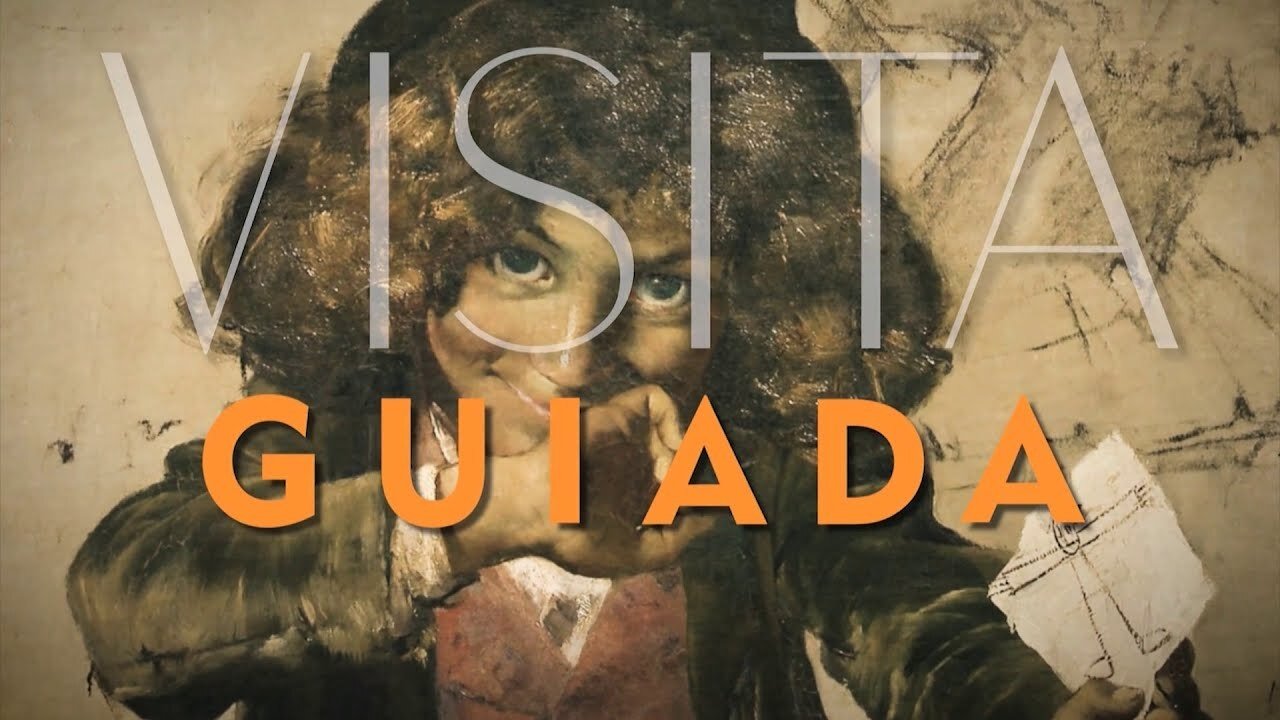
Guided Tour is a television and radio program about the treasures of the Portuguese cultural heritage. Treasures with recognized universal value, pieces that any western country would be proud to integrate into its heritage, and little known to the Portuguese. From a silver goblet with Mozarabic decoration and a thousand years old to a cloister that is referred to as a masterpiece of European Renaissance, passing through a collection of African art classified as one of the best in the world, the nature of objects, their context geographic location and historical time vary from episode to episode.
Cast

Paula Moura Pinheiro
as Self
Seasons
Season 1
Season 2
Season 3
Season 4
Season 5
Season 6
Season 7
Season 8
Season 9
Season 10
Season 11
Season 12
Season 13
Episodes
Season 1
Sé de Braga
A thousand years is the age of São Geraldo's chalice. A silver piece ordered by D. Afonso Henriques' great-great-great-grandfather to drink with meals. Belonging to the Museu da Sé de Braga, the São Geraldo chalice was made 150 years before the foundation of Portugal and one hundred years before the construction of the Sé de Braga, at the dawn of the reconquest. The chalice of São Geraldo is the oldest testimony in jewelery of how Arab culture is inscribed in the DNA of Iberian Christians.
Museu Nacional de Arte Antiga, Lisboa
The Cross of D. Sancho I proves how the first kings of Portugal, contrary to what was conveyed for centuries, were sophisticated and elegant men. Despite the incredible vicissitudes it went through, the Cross of D. Sancho I went through 800 years (almost) unscathed. And it is a testament to the invention of the cross as the main Christian icon.
Museu Machado de Castro e Convento de Santa Clara-a-Nova, Coimbra
The treasure of Queen Saint Isabel and her tomb are precious works of European medieval art. And they tell us other stories about the famous wife of D.Dinis. A charitable queen, yes, but also very connected to power and politics. The miracle of the roses was initially attributed to one of her aunts and only entered the roster of miracles of Queen Isabel of Portugal centuries after she had died.
Museu de Alberto Sampaio, Guimarães
The nativity triptych is a rarity of European medieval art. A portable altar, in silver and gilded silver, with 1.30m in height by 1.50m in width. The nativity triptych is shrouded in mystery: was it ordered by D. João I of Portugal after the victory of Aljubarrota, where the Portuguese defeated the Spanish in just half an hour and with a third of the men, or did it belong to D. João I of León and Castile who left it behind in the flight from the Battle?
Museu Grão Vasco, Viseu
The first Indian in the history of Western art is Portuguese. Grão Vasco and his collaborators painted him on the panels of the altarpiece of the Sé de Viseu. A surprising fact: the Portuguese arrived in Brazil in 1500 and these panels began to be painted in 1501. Did Grão Vasco have access to the descriptions of the Indians of Brazil from the letter of Pêro Vaz de Caminha? A fantastic period that transformed European life and imagination.
Convento de Cristo, Tomar
The main cloister of the Convent of Christ is referenced in the history of universal art as one of the most beautiful examples of European Renaissance architecture. But this cloister is more than a treasure of Renaissance art, it is the construction that buries the Middle Ages in Portugal once and for all and aligns it with the new European humanism.
Convento da Madre de Deus, Lisboa
The collection of the National Tile Museum proves how Portuguese tilework is a unique case in the world of tile art. Panels built in intrinsic dialogue with the architecture that supports them or panels that reproduce the patterns of carpets or jewelry are some of the unique aspects of Portuguese tilework.
Mosteiro de Tibães, Braga
The High Altar of the Church of the Monastery of Tibães is one of the most spectacular known examples of rococo carving. From the 18th century, the Golden Age, literally and metaphorically, the Tibães retable raises a question: why did the Order of the Benedictines, committed to the vow of poverty, order this such luxurious piece? What ideas are behind the Baroque style?
Similar Shows
Shows like this one









Recommended for You
Based on this series